

Coral Color: Everything to Know About the Color Coral

Updated: Apr 13, 2025

Welcome to our comprehensive guide on the vibrant and joyful color of coral! In this article, we will take you on a journey through coral's lively and captivating world, exploring its origins, meaning, symbolism, and diverse applications. Known for its unique blend of pink and orange tones, coral has a fresh and dynamic appeal that enchants artists, designers, and enthusiasts alike.
Join us as we delve into the depths of coral, unraveling its secrets and uncovering its significance in various aspects of our lives.
Whether you're seeking inspiration for your next creative project or simply curious about this cheerful hue, this article is your ultimate resource to unlock everything there is to know about the color of coral.
What Color is Coral?

Coral is a warm, vibrant shade between pink and orange on the color spectrum. It is often described as a bright, peachy hue with a lively mix of red, pink, and orange, reminiscent of the marine corals in tropical oceans. Coral is known for its energetic and inviting appearance, often associated with warmth, positivity, and vitality. It combines the nurturing qualities of pink with the dynamic energy of orange, creating a unique and joyful shade that stands out in various contexts.
How to Make Coral?

You can use different color models such as RGB, CMYK, and HEX to create the color coral.
Here are the values and codes for coral in various formats:
Coral RGB Values
Red: 255
Green: 127
Blue: 80
Coral HEX Color Code
The HEX code for coral is #FF7F50.
Coral CMYK Code
Cyan: 0%
Magenta: 50%
Yellow: 69%
Black: 0%
Coral Web Safe Color
The closest approximation for coral in the web-safe color palette is #FF6666.
Paint Mixing to Create Coral
If you want to create coral with physical paint, you can start with a base of pink or orange and add small amounts of the other color until you achieve the desired coral shade. Adjusting the proportions will help you achieve the precise hue you want.
Coral Light and Perception
Coral results from how our eyes perceive specific wavelengths of light. It falls between pink and orange on the visible spectrum and can vary in appearance depending on lighting conditions and surrounding colors.
Coral is a versatile and lively color used in various design, fashion, and artistic applications. Whether you're designing a website, painting a room, or creating artwork, these color values and codes will help you incorporate the vibrant essence of coral into your projects.
What Colors Match Coral?

Coral is a versatile color paired with several complementary and harmonious colors to create visually appealing combinations. Here are some color schemes that work well with coral:
Coral and White
The combination of coral and white creates a fresh and clean look. White provides a bright backdrop that allows coral to stand out, adding a sense of balance and brightness to the overall palette.
Coral and Navy Blue
Coral paired with navy blue creates a striking and sophisticated color scheme. The deep, cool tones of navy blue contrast with the warmth of coral, resulting in a balanced and dynamic palette.
Coral and Mint Green
The combination of coral and mint green creates a playful and refreshing color scheme. The cool tones of mint green enhance the lively nature of the coral, creating a harmonious and invigorating palette.
Coral and Gold
Coral and gold form a luxurious and elegant duo. The rich, metallic tones of gold complement the vibrant nature of coral, creating a sophisticated and warm contrast.
Coral and Gray
The combination of coral and gray creates a modern and understated color scheme. The neutral tones of gray balance the boldness of coral, resulting in a sleek and contemporary palette.
These are just a few examples of colors that work well with coral. Don't be afraid to experiment and explore combinations to find the perfect match for your project or personal style.
What is Coral’s Complementary Color?
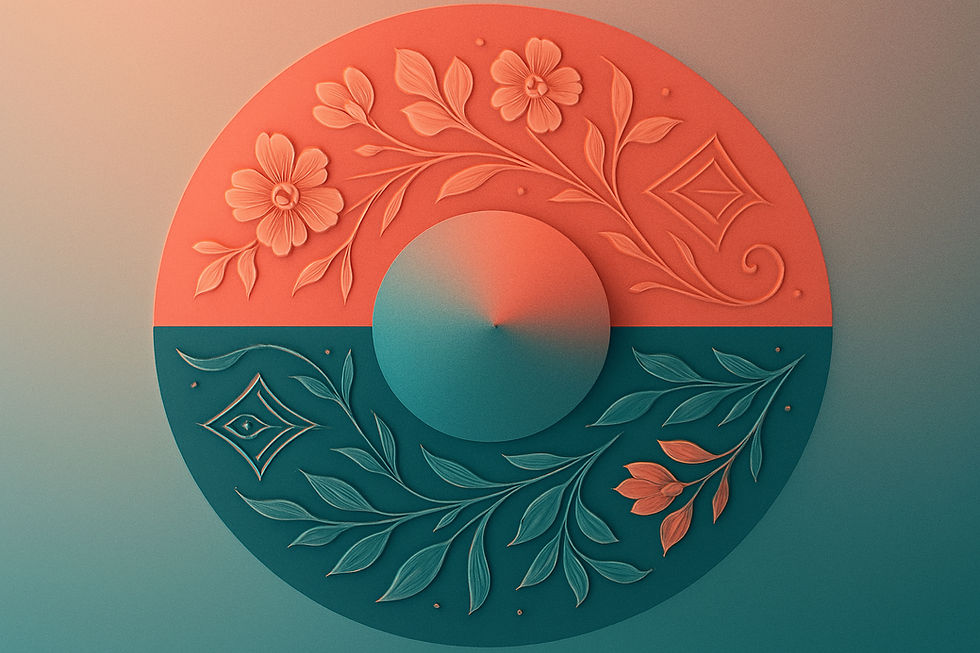
Coral's complementary color is a shade of teal or turquoise. In the traditional color wheel, coral, with its mix of pink and orange, sits opposite the blue-green spectrum. Shades of teal or turquoise, which are cool and refreshing, are considered complementary colors. When coral and teal are placed together, they create a strong visual contrast that is striking and harmonious.
What Colors Are Similar to Coral?

Colors similar to coral can be found within the pink and orange spectrum. Here are some colors that share similarities with coral:
Peach: Peach is a soft, pale shade of pink-orange that closely resembles coral but with a lighter and more pastel tone. It shares the same warm and inviting qualities as coral.
Salmon: Salmon is another color similar to coral. It is a warm, pinkish-orange hue with a slightly more muted tone, often associated with salmon fish. Salmon carries the same lively qualities as coral.
Apricot: Apricot is a warm, yellowish-orange color similar to coral but with a more yellowish tone. It retains the same soft and warm qualities as coral.
Light Coral: Light coral is a pale, pinkish-orange color that is similar to coral but with a lighter and softer appearance. It shares the same vibrant and joyful qualities.
Tangerine: Tangerine is a bright, orange-red color that is similar to coral but with a more intense and saturated tone. It carries the same energy and warmth as coral.
These colors are closely related to coral and can be combined as alternatives to create a harmonious color palette.
What Does Coral Symbolize?

Coral symbolizes various meanings and conveys different emotions depending on the context. Here are some common symbolisms associated with coral:
Warmth and Vitality: Coral is often associated with warmth, energy, and vitality. Its lively and vibrant tones evoke enthusiasm, positivity, and life.
Joy and Positivity: Coral is linked to pleasure, happiness, and positivity. Its bright and inviting appearance conveys a sense of cheerfulness and optimism, and it is often associated with uplifting and energetic environments.
Compassion and Nurturing: Coral is seen as a color of compassion, care, and nurturing. Its warm and soft tones evoke kindness, love, and emotional warmth.
Creativity and Individuality: Coral is often associated with creativity and individuality. Its unique and dynamic appearance encourages self-expression and artistic endeavors, making it a popular choice for creative projects.
Youthfulness and Playfulness: Coral is often linked to youthfulness and playfulness. Its bright and energetic tones evoke a sense of fun and spontaneity, usually associated with carefree and joyful moments.
Romance and Passion: Coral is also connected to romance and passion. Its warm and inviting tones evoke feelings of love, affection, and intimacy, making it a popular choice for romantic settings and expressions of emotion.
It's important to note that color symbolism can vary across cultures and personal interpretations. The meanings associated with coral can be influenced by personal experiences, cultural beliefs, and the specific context in which it is used.
The History of Coral

The history of coral as a color is rich and varied, with connections to fashion, design, and nature. Here are some key points in the history of coral:
The Origins of the Name: The color coral is named after marine corals found in tropical oceans, known for their vibrant pinkish-orange hues. Since its early use in textiles and art, the color has been associated with warmth, vitality, and the natural world.
Coral in Fashion and Textiles: Coral has been a popular color in fashion and textiles for centuries. Its bright and lively appearance made it a favorite for everything from formal attire to casual clothing, particularly during the 20th century.
Coral in Interior Design: In the 20th century, coral became popular in interior design, particularly in tropical and coastal styles. Its ability to create a warm and lively atmosphere while maintaining a soft and inviting aesthetic made it a staple in home decor.
Coral in Art and Design: Throughout history, artists and designers have used coral to convey a sense of warmth, energy, and creativity. Its vibrant tones have been employed in various artistic movements, from Impressionism to contemporary design.
Modern Usage: In the 20th and 21st centuries, coral has remained a popular and versatile color in fashion, interior design, and branding. Its lively appeal and ability to adapt to various styles and trends have made it a favorite among designers and consumers.
Today, coral continues to be a popular and versatile color used in various applications, from interior design and fashion to branding and digital media. Its vibrant and joyful qualities have made it a favorite among artists, designers, and individuals seeking a color that exudes warmth and vitality.


